What a buyer will ask about the shop
- Which restaurants and stores buy from you each week?
- Buyers want the wholesale list with weekly volume, how long each account has ordered and who delivers to them.
- Do your tax returns match your sales?
- Only reported sales count toward price. Cash that never reached the books does not help you at closing.
- Who makes the dough and knows the recipes?
- If only you or one family member can run production, buyers worry the product changes the day you leave.
- How old are the tortilla machine and the ovens?
- They want ages, repair history and whether a big machine is near replacement in the first year.
Wholesale is where the value sits
A counter with a line out the door is nice. What buyers pay for is the weekly wholesale order from restaurants, grocery stores, school cafeterias and caterers. Those orders repeat, and they can be counted.
Put together a list of every wholesale account, its weekly order and how long it has bought from you. If one grocery chain or restaurant group takes a big share, say so plainly and show how long that account has stayed.
Show the money you actually made
Food businesses that take a lot of cash often show less profit on paper than they really earn. Buyers and their lenders can only use what is on your tax returns and bank deposits.
That gap costs you more than the tax ever saved. If the business makes an extra dollar you never reported, a buyer paying two or three times cash flow gives you nothing for it. Clean up reporting a year or two before you sell if you can.
Recipes, people and early mornings
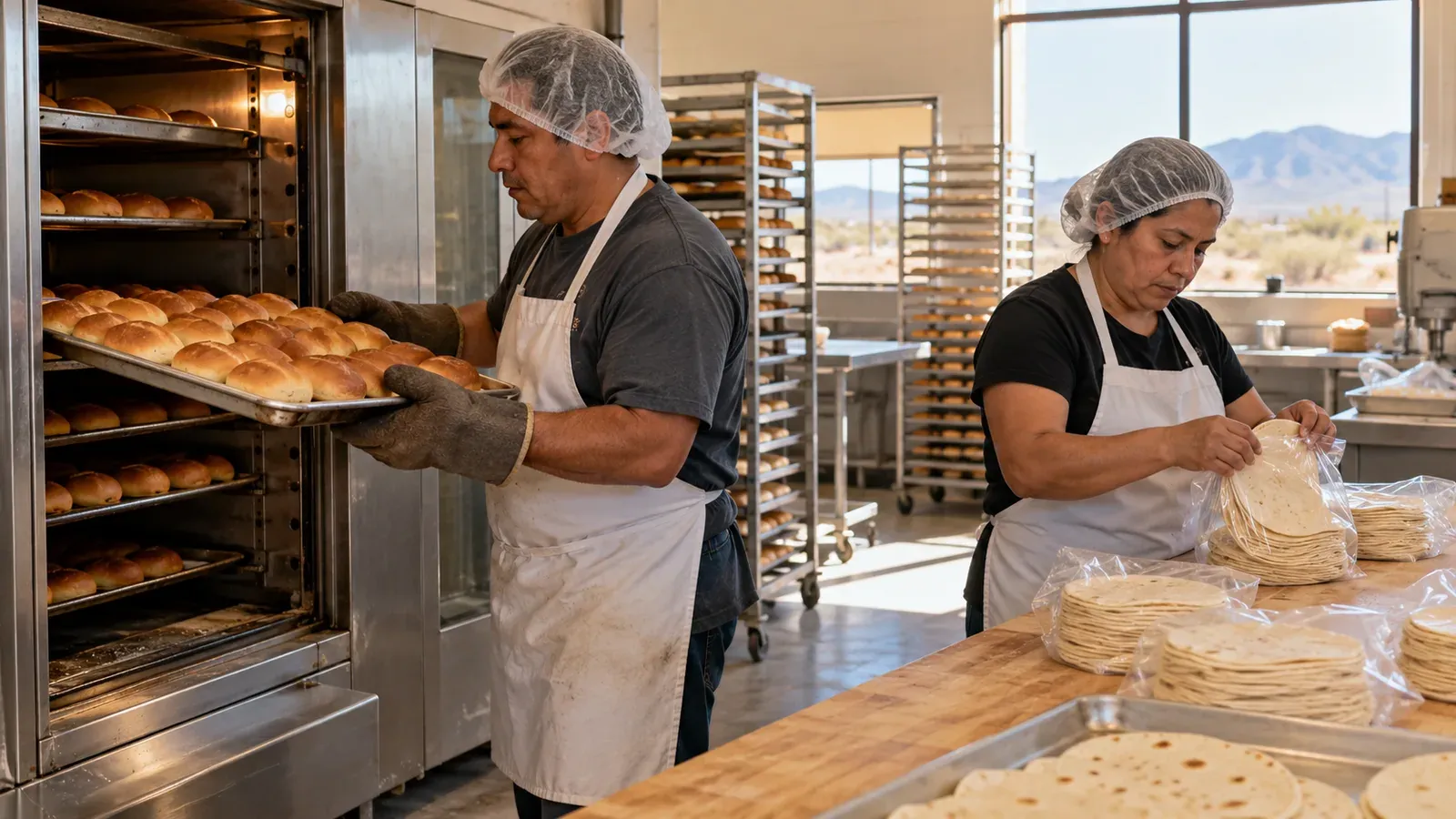
Production starts before dawn. Buyers ask who opens, who mixes, who runs the tortilla line and who drives the routes. They want written recipes and steps so the product tastes the same next month.
- A short list of key staff, their roles and years with you
- Written recipes and batch sizes
- A bilingual manager or lead who can train new people
- Delivery routes and the days each account gets served
If the family has always run production, plan a training period where you or a family member stays on for a few weeks or months.
Permits and the building
City of El Paso food permits do not transfer to a new owner or a new location. The buyer applies for its own permit, so build that into the timeline.
Our guide on the food permit when you sell covers what to expect. Check details with the city health department.
The lease matters too. Buyers want enough years left to stay put, because moving ovens and a tortilla line is costly and a new spot may need plans approved.
Equipment and value
Tortilla machines, mixers, ovens, proofers, coolers and delivery vans are most of the hard assets. Keep a list with ages and service records.
Vans are taxed differently from other equipment in a sale; see sales tax on equipment and confirm with your CPA.
Steady wholesale accounts, reported sales and a crew that runs without you raise the price. One big customer, unreported cash and an owner who works every shift lower it.
Want a number for your shop? Request a valuation or call (915) 555-0193.